Sport-touring gets considerable attention in the motorcycle culture, but experienced riders understand the real test begins where pavement surrenders to dirt. The problem is straightforward — a dedicated off-road machine has no business in daily urban traffic, and placing one on a high-speed freeway is a recipe for frustration at best, danger at worst.
How Adventure Bikes Get You The Most Versatility
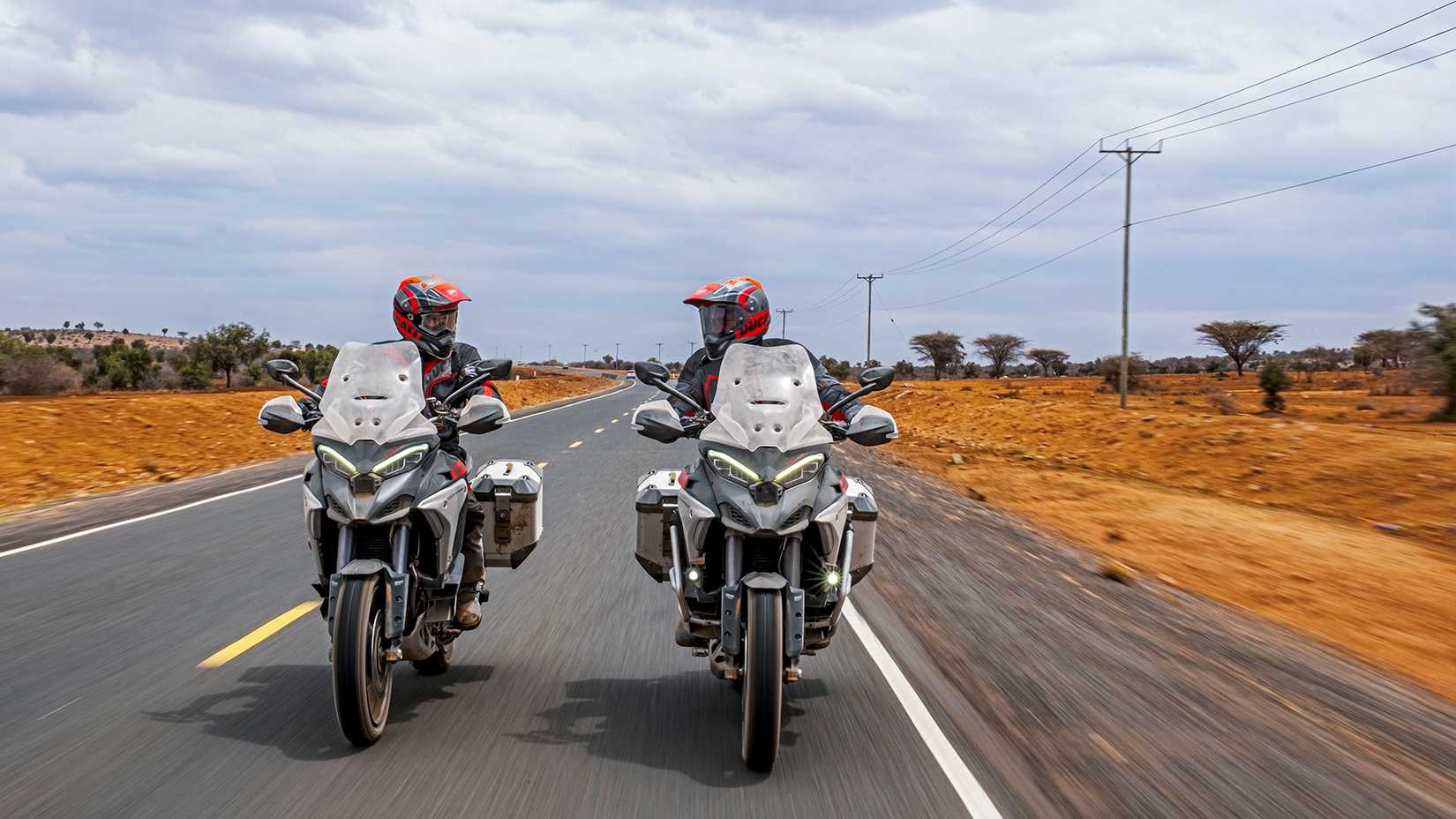
The answer lies in motorcycles engineered without compromise — machines that hold freeway pace with authority, dispatch corners with precision and control, then tackle unpaved terrain the moment the urge to explore takes over. A growing number of sport-touring machines now ship with significantly more capable hardware than their road-focused counterparts. Case in Point – The Ducati Multistrada V4, at $19,995, and its trail-ready sibling, the Multistrada V4 Rally, at $31,095, illustrate this perfectly. That nearly $12,000 premium buys upgraded suspension hardware, purpose-engineered wheels and tires, and revised ergonomics that instill genuine confidence across both aggressive tarmac corners and loose, unpredictable gravel terrain.
What All Options Are There So Far?
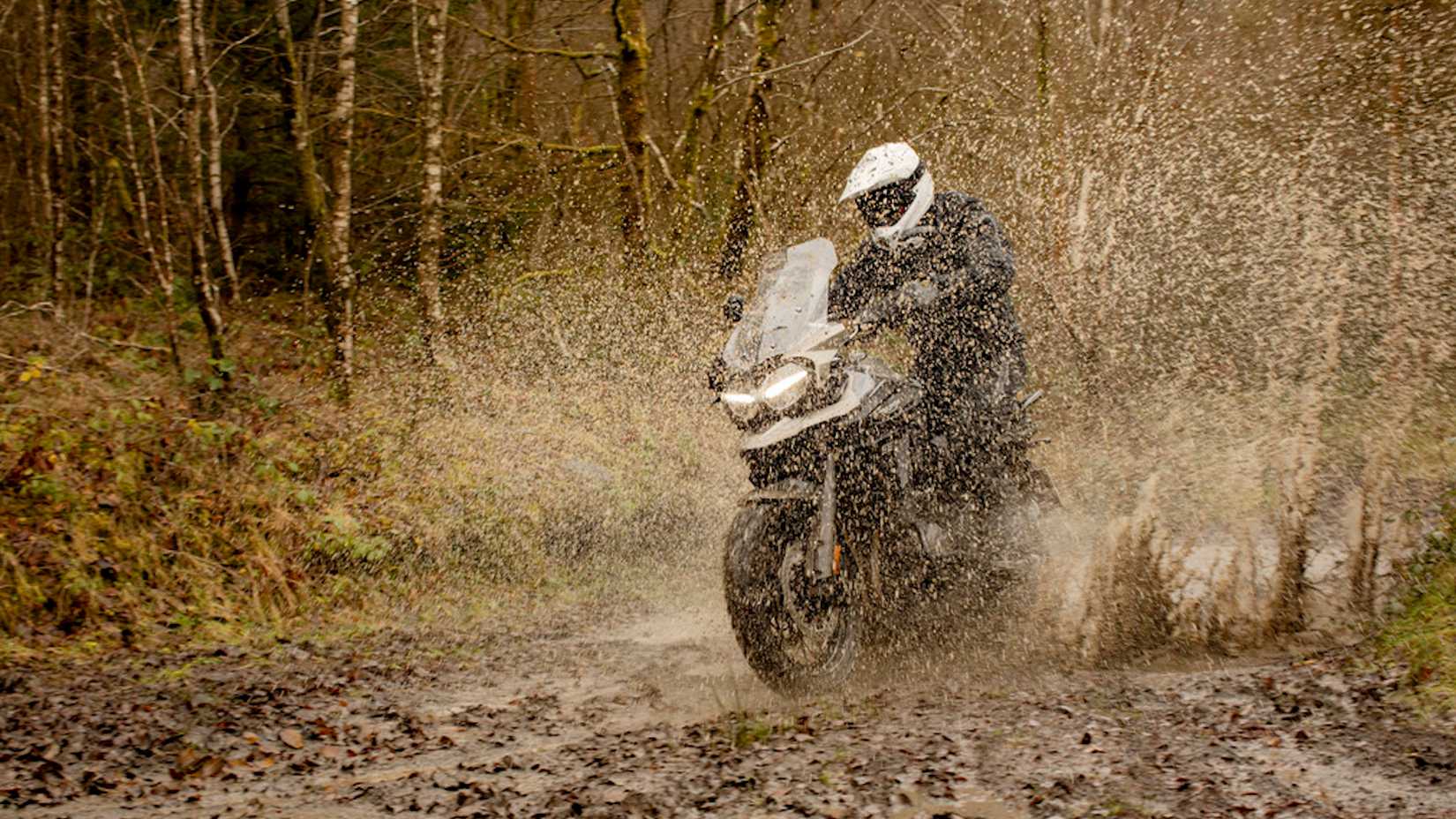
The same philosophy runs through KTM, Suzuki, and Triumph product lines. Each brand’s sport-touring offerings are competent in their own right, yet every manufacturer maintains at least one model built specifically around adventure-focused demands. These command a premium over road-biased alternatives — but for riders committed to a single machine that does everything, that premium is consistently justified.
10 Most Practical Adventure Motorcycles In 2025
These adventure bikes offer unrivaled everyday practicality. That’s not something many ADVs can claim!
Honda Africa Twin Adventure Sports ES Is The Logical Choice Here
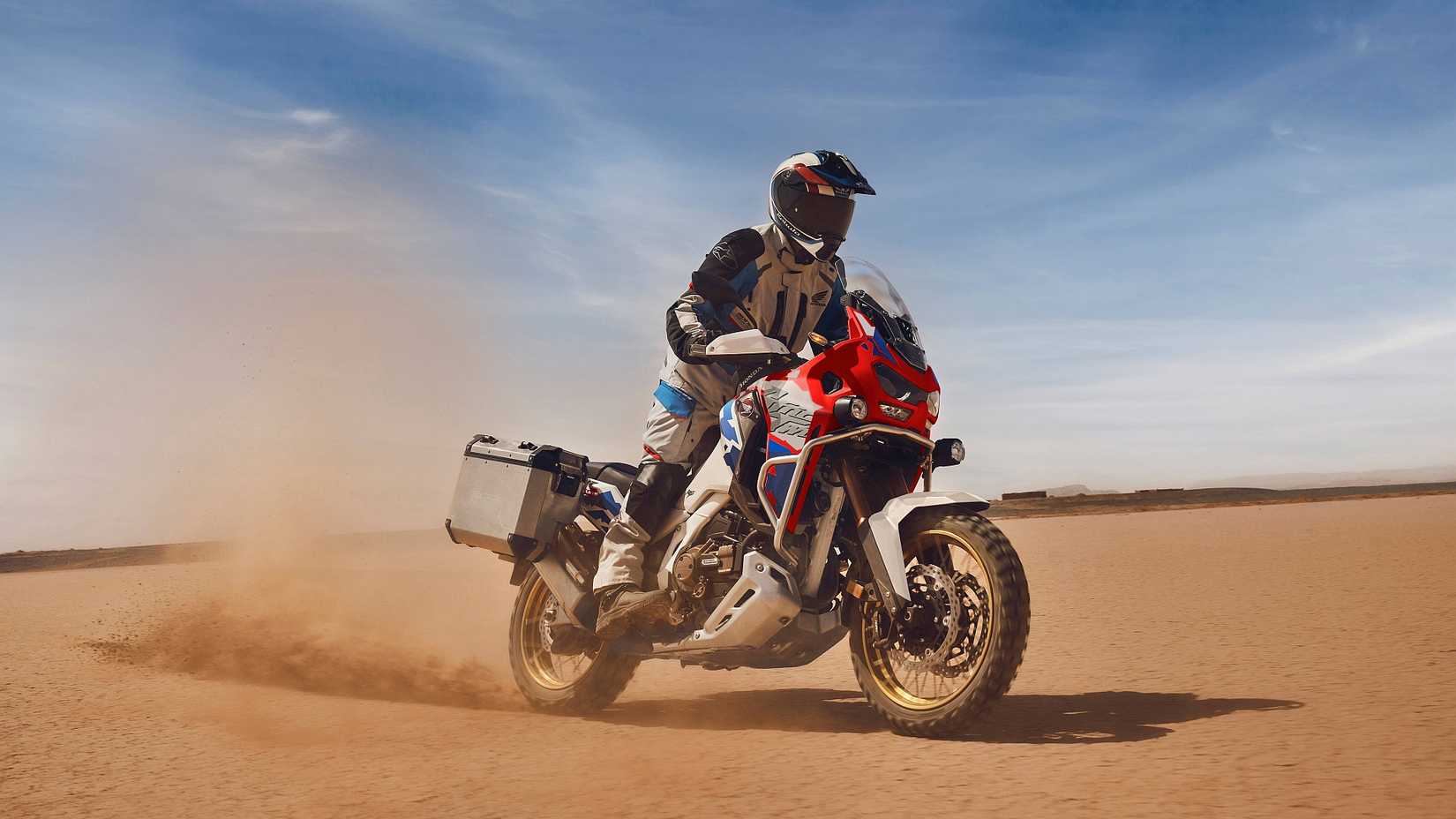
Within this competitive landscape, one machine separates itself through engineering depth, historical pedigree, technological sophistication, and a reliability record that competitors simply cannot match — and it has cultivated a fiercely loyal following as a result. The Honda Africa Twin, specifically the Adventure Sports ES, operates by a different set of rules. The base model already leans aggressively toward off-road performance. The Adventure Sports ES builds on that foundation with touring-oriented refinements, without compromising the rally-bred DNA that has defined this motorcycle since its inception.
Start at $15,199, But The Adventure Sports ES Is More Expensive
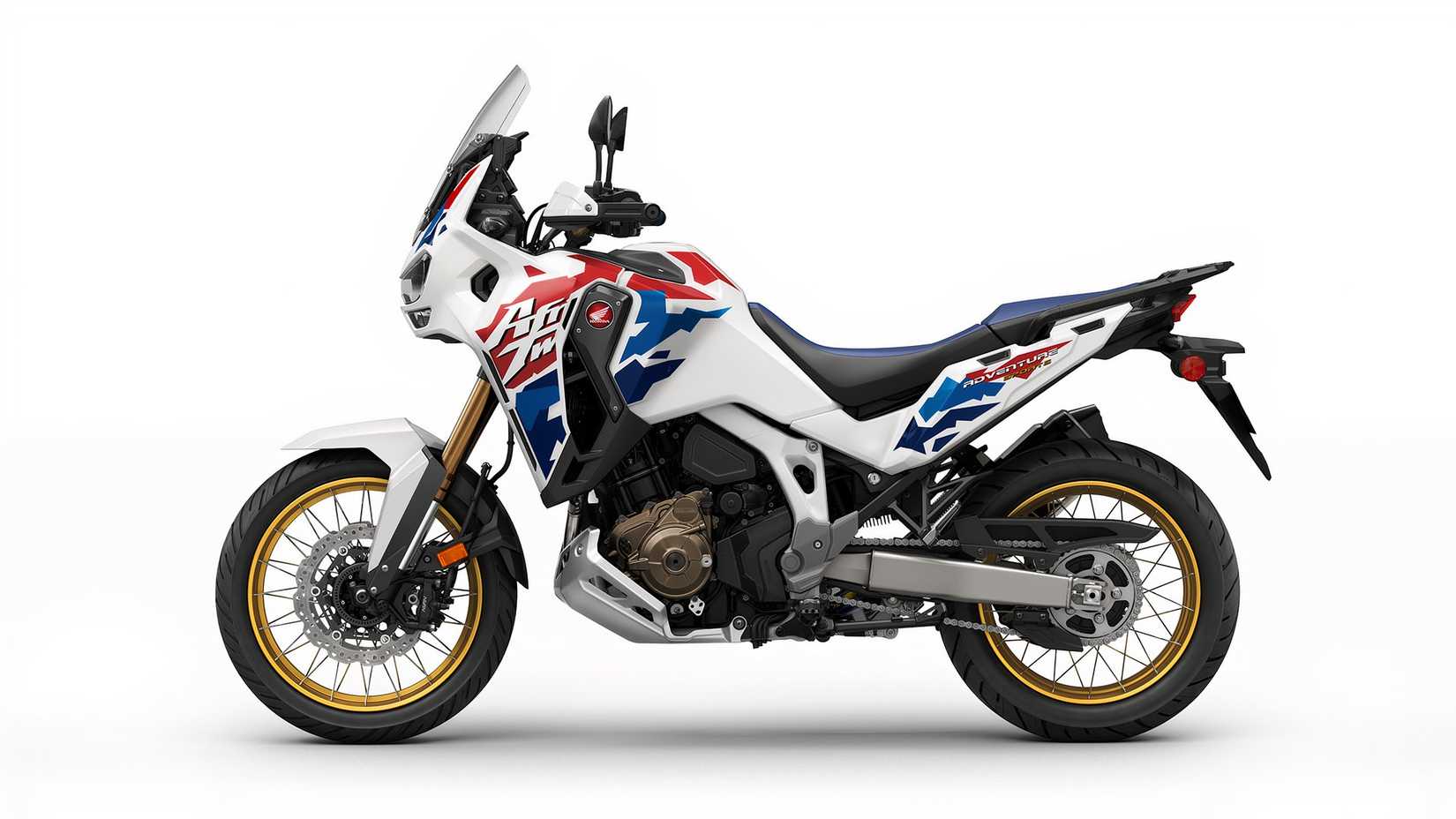
The Adventure Sports ES opens at $17,799 for the six-speed manual, with the DCT variant commanding $18,599. The base Africa Twin is positioned at $15,199, with the standard model sitting at $15,999. Compare that against the BMW R 1300 GS, which starts at $20,395 in base configuration — a properly equipped example climbs uncomfortably close to $30,000. Against that backdrop, the Africa Twin’s pricing doesn’t just look reasonable. It looks like an intelligent decision.
The Africa Twin Has The Real Dakar Connection
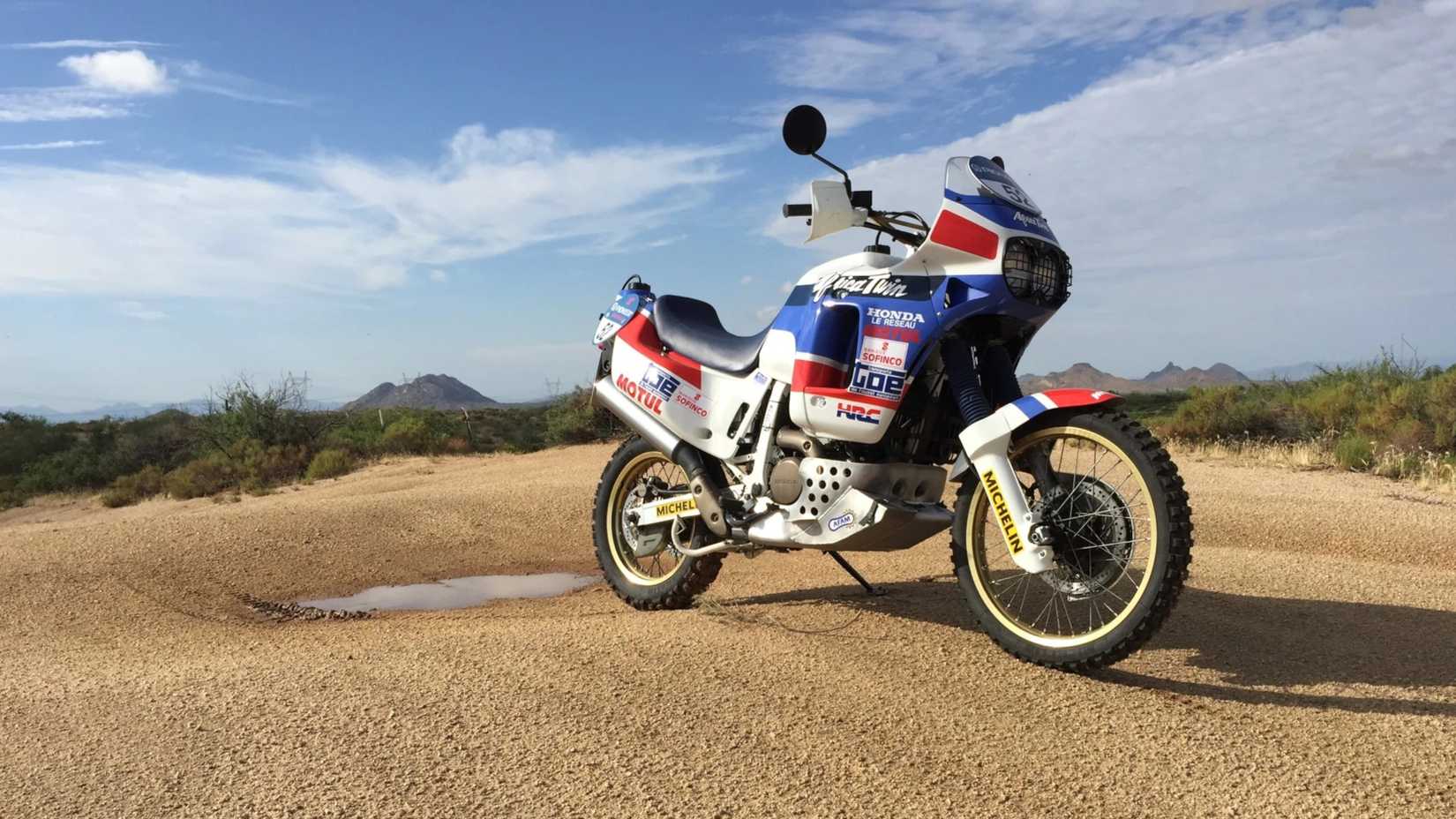
The Dakar Rally represents the ultimate proving ground for motorcycle engineering — thousands of miles across brutal, unforgiving terrain. Manufacturers that translate this race-hardened expertise into production bikes deliver machines built far beyond ordinary expectations. Honda’s Africa Twin stands as the definitive example. Introduced in 1988, the XRV650 draws directly from Honda’s three-time Paris-Dakar winning factory machine, with production models themselves completing the rally. Updates followed in 1990 and 1993, each generation sharpened by genuine competitive intelligence.
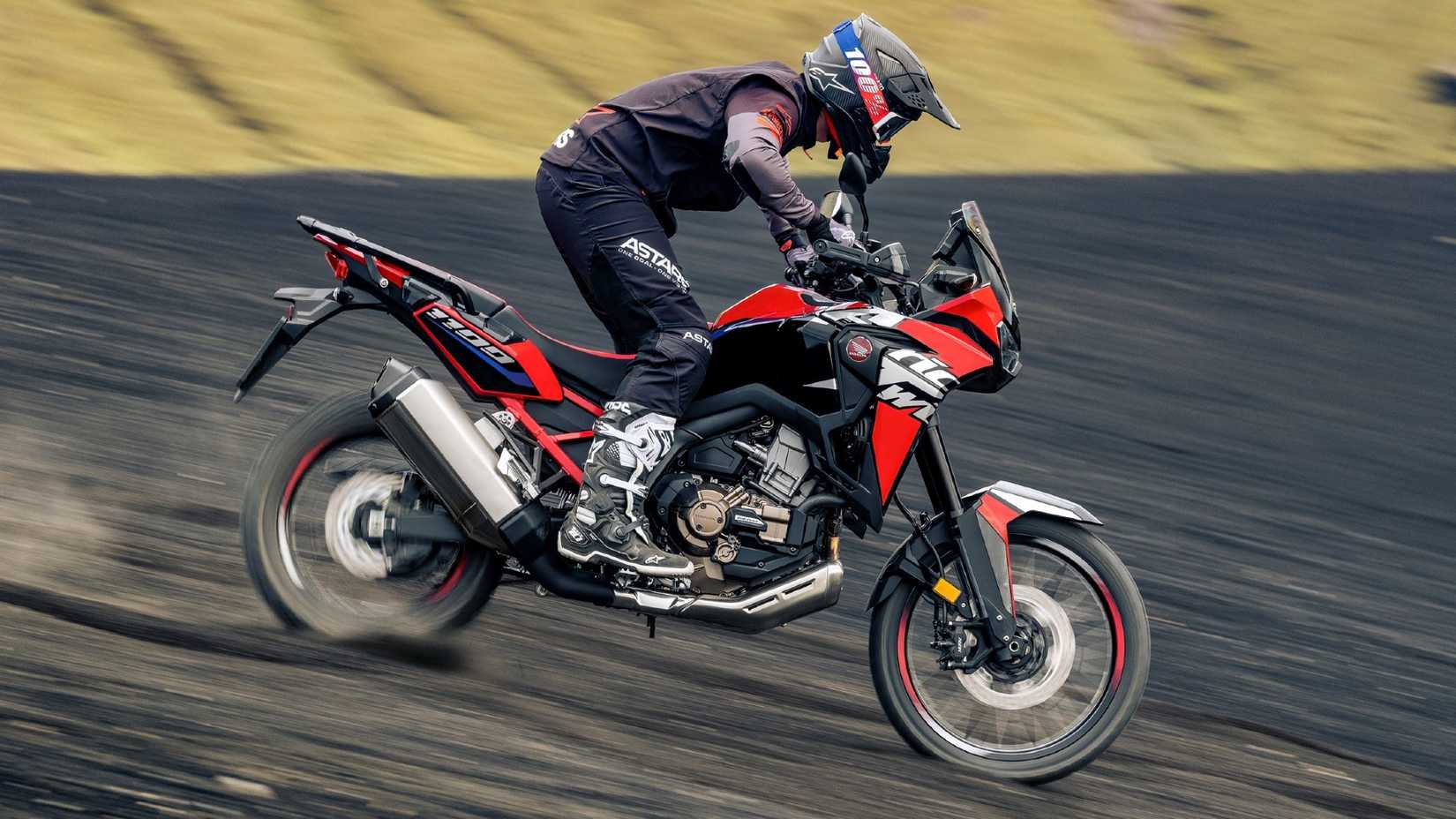
When Honda stepped back from Dakar in 2000, development paused. But the rally’s 2009 relocation to South America reignited Honda’s ambitions. Re-entering with the CRF450 Rally, Honda harvested fresh technical knowledge and revived the Africa Twin as a liter-class machine — the CRF1000L in 2013, refined further as the CRF1100L in 2019. That unbroken lineage of rally-derived engineering is precisely what separates the Africa Twin from its competition.
The Old-School Chassis Makes It Equally Potent Off-Road
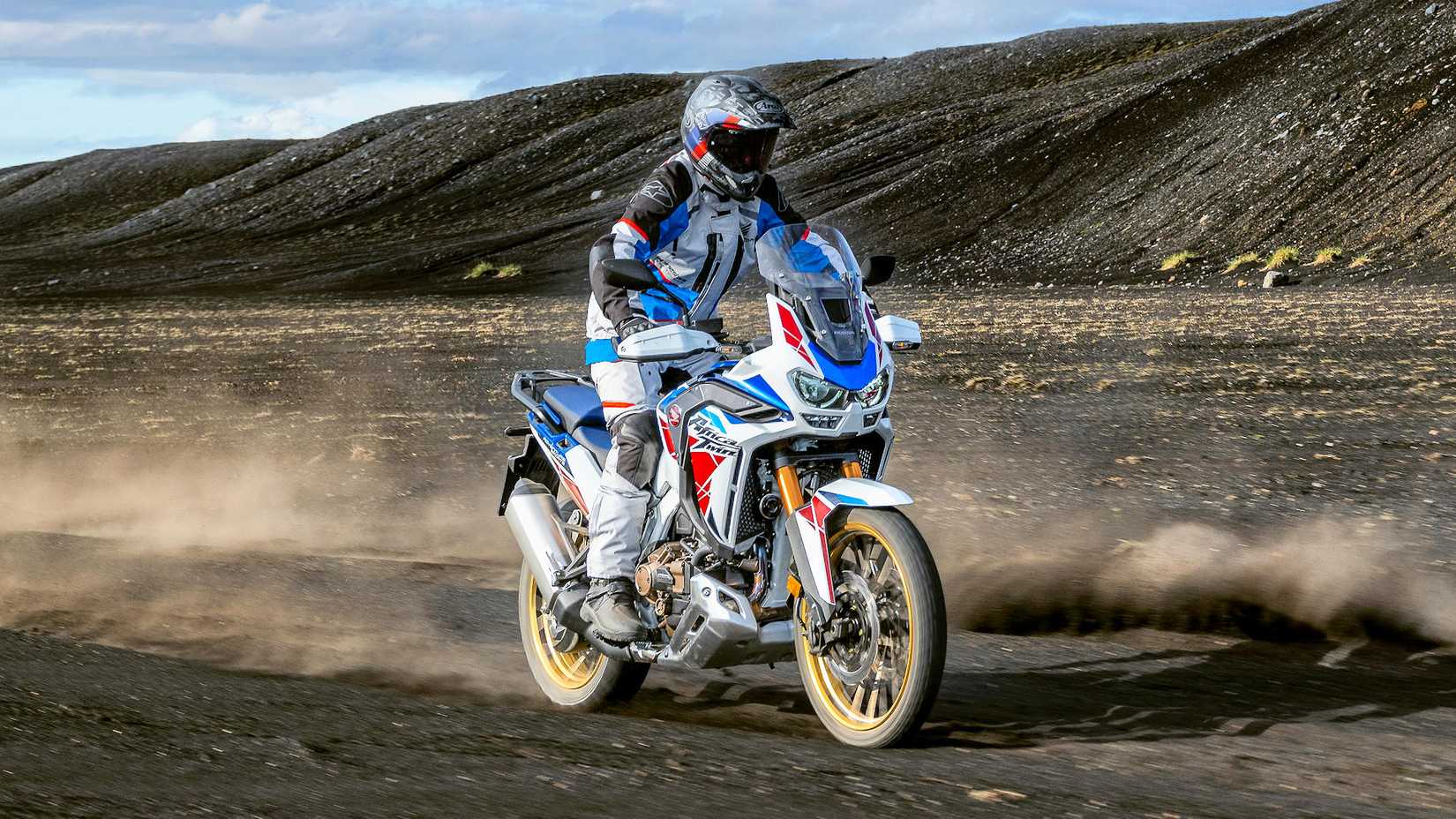
The Africa Twin is constructed around a lightweight semi-double-cradle frame sharing direct lineage with Honda’s HRC Rally machines — bikes that have dominated the Dakar podium. This is paired with a lightweight swingarm developed using knowledge gained from the CRF450R program. A low center of gravity, rally-derived bodywork, and a riding position that balances athletic intent with long-distance sustainability produce a machine that handles with considerably more confidence and agility than its dimensions imply.
Suspension Plays An Important Role
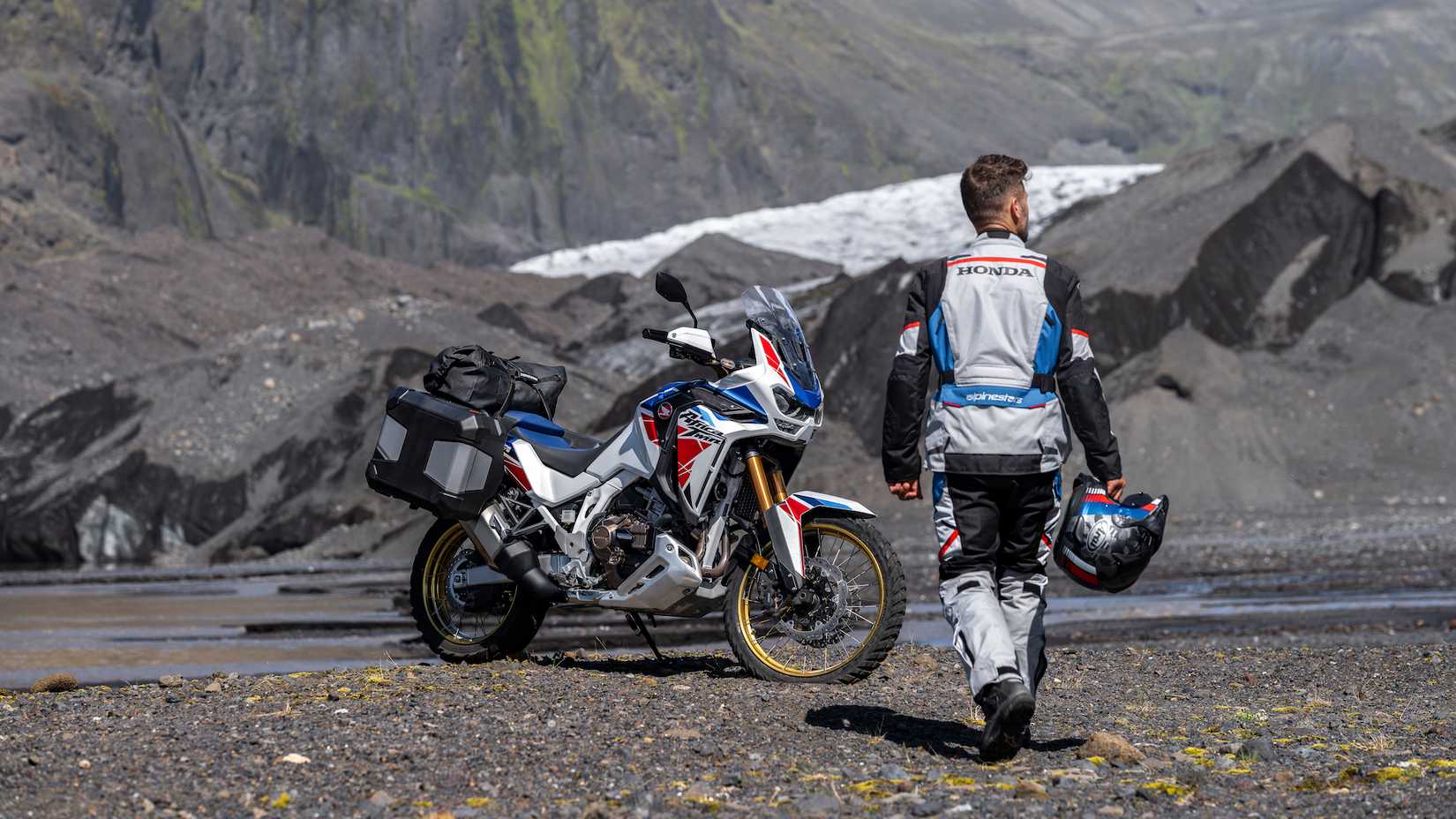
The Adventure Sports ES runs a fully-adjustable Showa suspension package — a 45mm inverted fork with 8.3 inches of travel up front, paired with a Pro-Link monoshock delivering 7.9 inches at the rear. Travel figures are marginally shorter than the base model, but make no mistake — this setup handles punishment with composure. It compensates through continuous real-time adaptation to surface conditions, backed by five selectable suspension modes. For riders prioritizing long-distance road comfort without sacrificing trail capability, the Adventure Sports ES is the definitive choice.
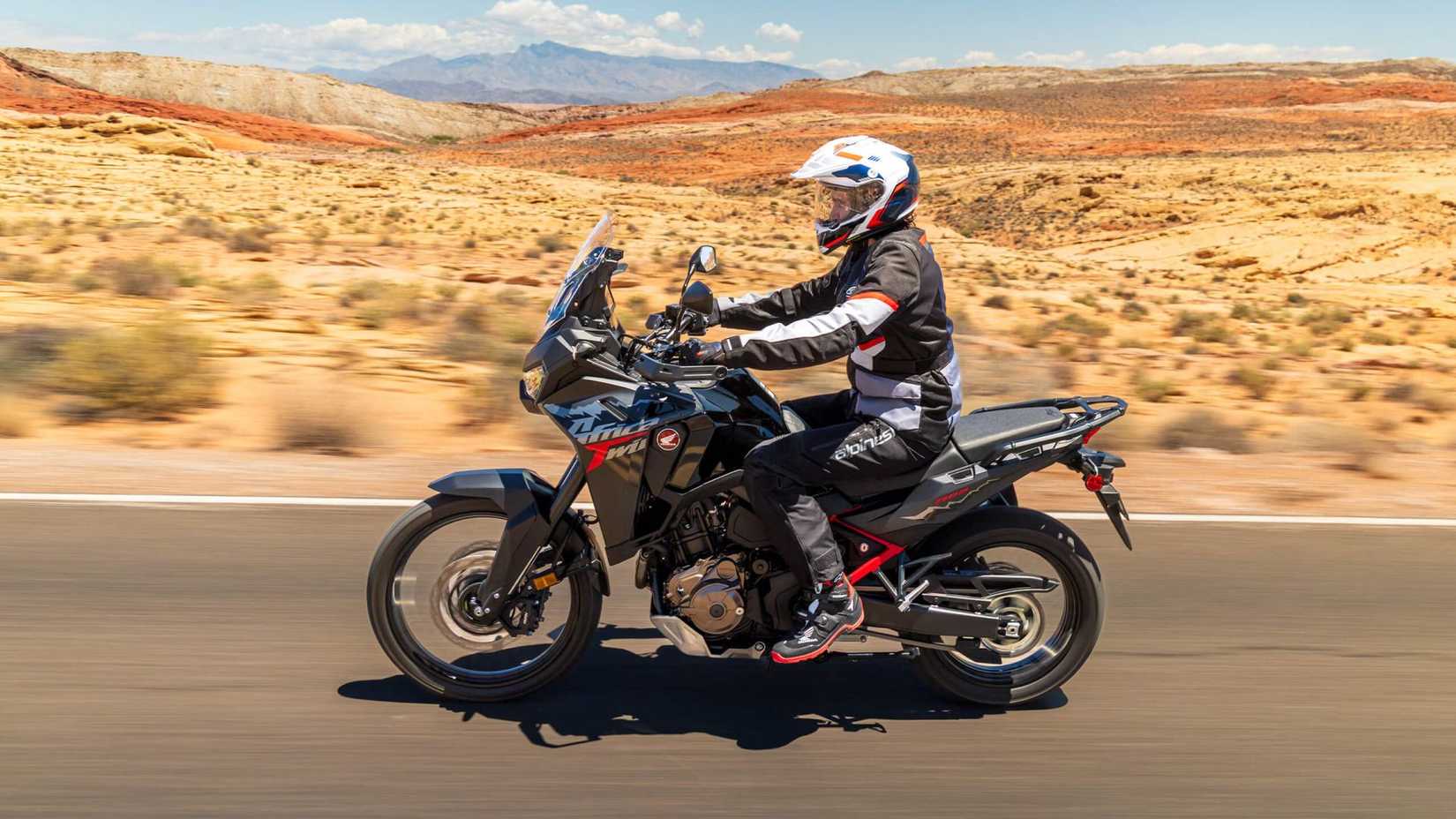
Reduced travel brings seat height down 0.6 inches to 33.7 inches — a tangible advantage for riders who value confident footing at a stop. The rolling chassis is completed by a 19/18-inch tubeless wire-spoke wheel combination, engineered to absorb punishment on broken surfaces while maintaining authority and responsiveness on tarmac.
The Time Japan Made A Better Adventure Motorcycle Than The Rest Of The World
This Honda adventure bike offers the best balance of performance, capability, and smart pricing.
A Parallel-Twin Engine With Reliability And Usability At The Same Time
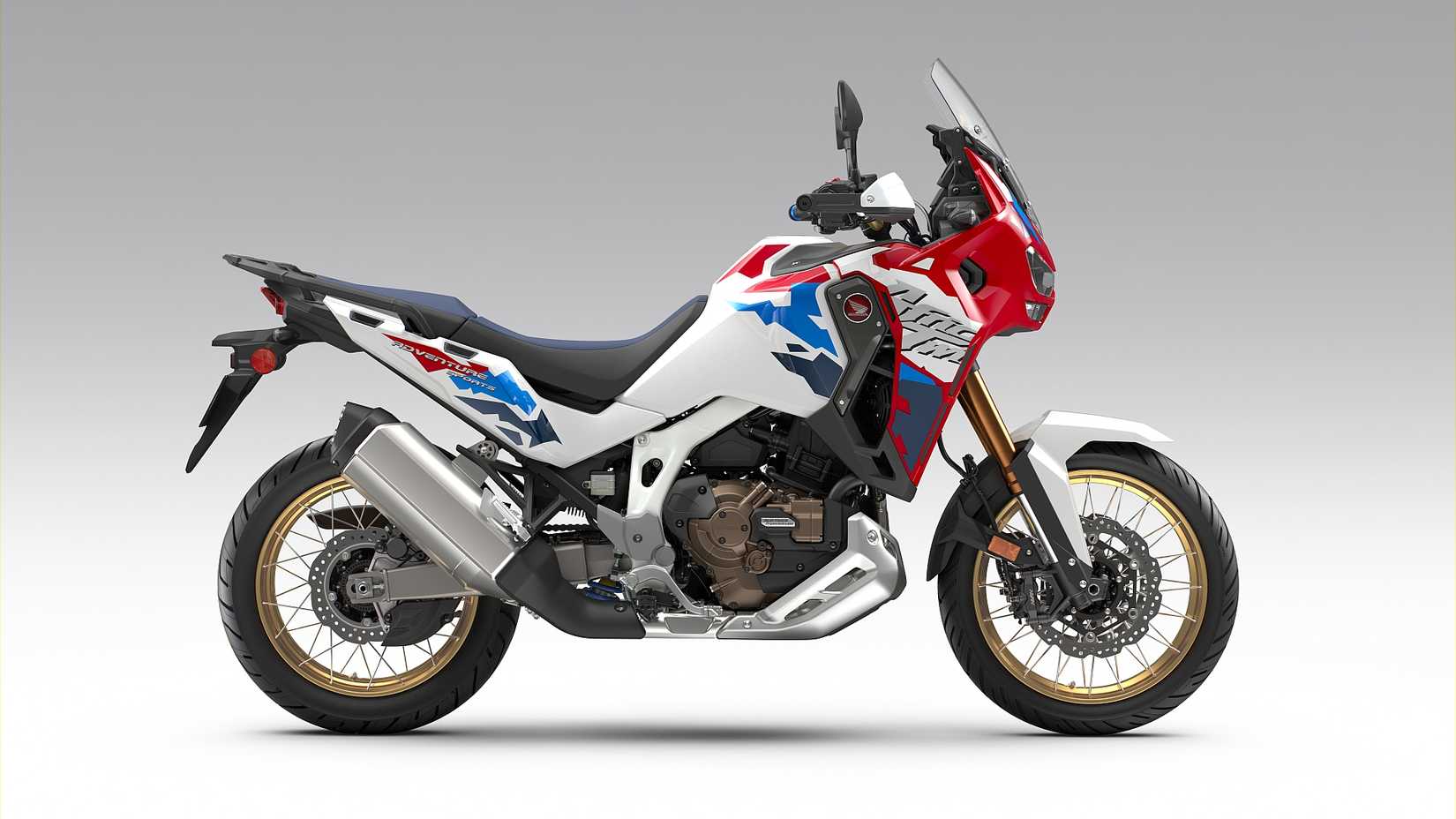
The Africa Twin draws power from a narrow 1,084cc parallel-twin producing 100.5 horsepower and 82.6 pound-feet of torque. Honda has deliberately tuned this engine for broad, linear delivery across the entire rev range — a 10.5:1 compression ratio and mid-range-optimized valve timing ensure power arrives progressively and predictably rather than in aggressive peaks.
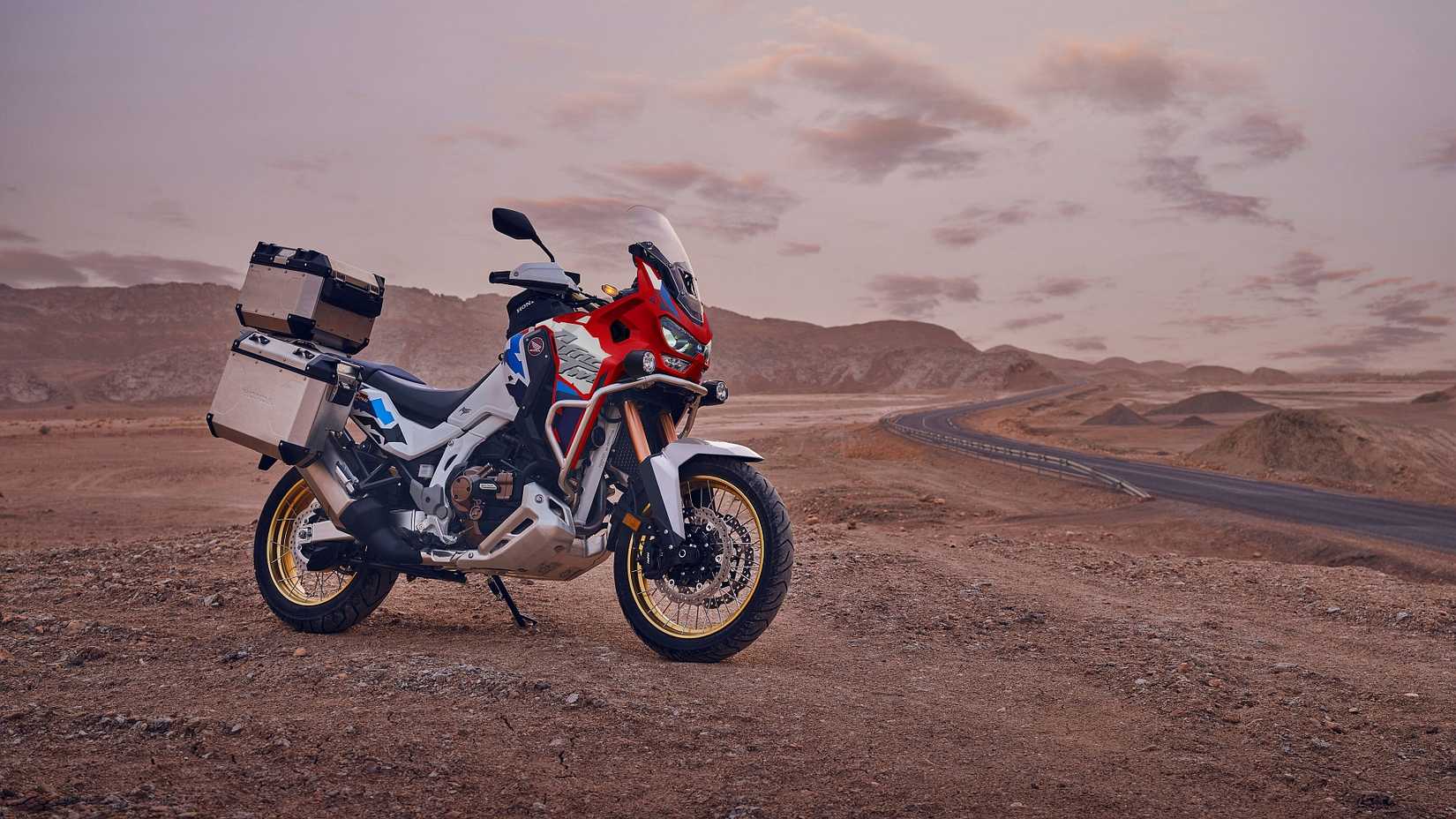
The engineering substance runs deeper still. A twin intake system with dual vertical filtration sustains performance through extended operation in heavily dust-laden environments. A biaxial counterbalancer eliminates intrusive vibration, while the 270-degree firing interval sharpens throttle response and generates an exhaust note that draws clear comparisons to a V-twin configuration. Underpinning everything is Honda’s established and well-deserved reputation for mechanical durability and low-complexity maintenance.
The Popular DCT Adds A Layer Of Ease
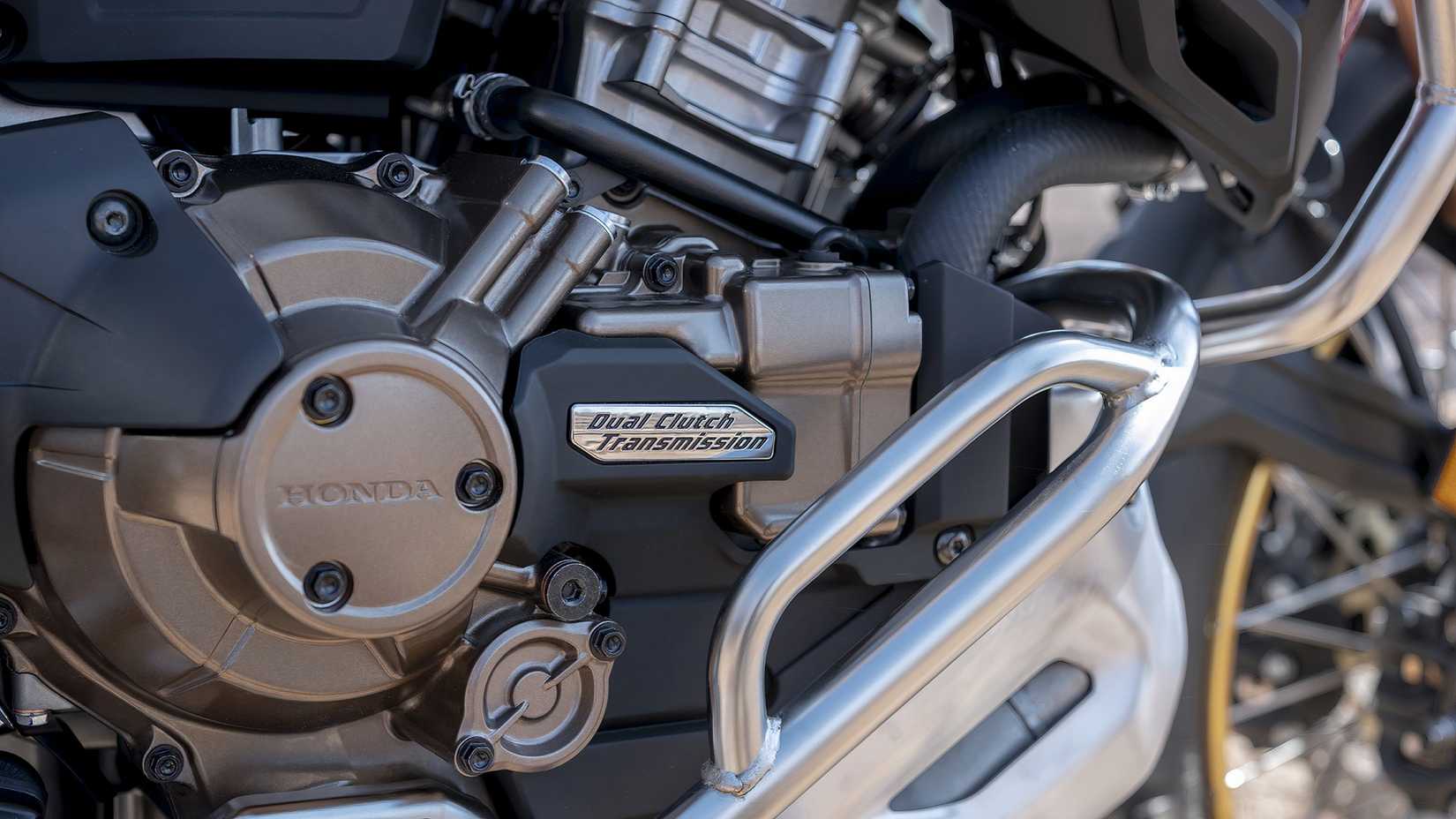
Base Africa Twin Adventure Sport ES models use a conventional six-speed transmission, but the DCT is where the real transformation occurs. Honda’s dual-clutch unit manages gear selection autonomously through a six-speed arrangement, delivering noticeably smoother low-speed behavior and more intuitive ratio transitions. A dedicated Gravel mode introduces controlled clutch slip, bringing precision and composure to off-road riding that a conventional gearbox simply cannot replicate.
The Full-Size Adventure Delivers A Well-Rounded Package

The Africa Twin’s technology suite is carefully calibrated — comprehensive without being excessive. A 6.5-inch TFT display anchors the cockpit, with Apple CarPlay and Android Auto integration standard. Six configurable riding modes, Honda Selectable Torque Control, wheelie mitigation, cornering ABS, and a dedicated off-road ABS setting round out the safety and performance electronics. Factory luggage solutions are available for riders requiring additional carrying capacity.
Capable Enough To Tour For Miles
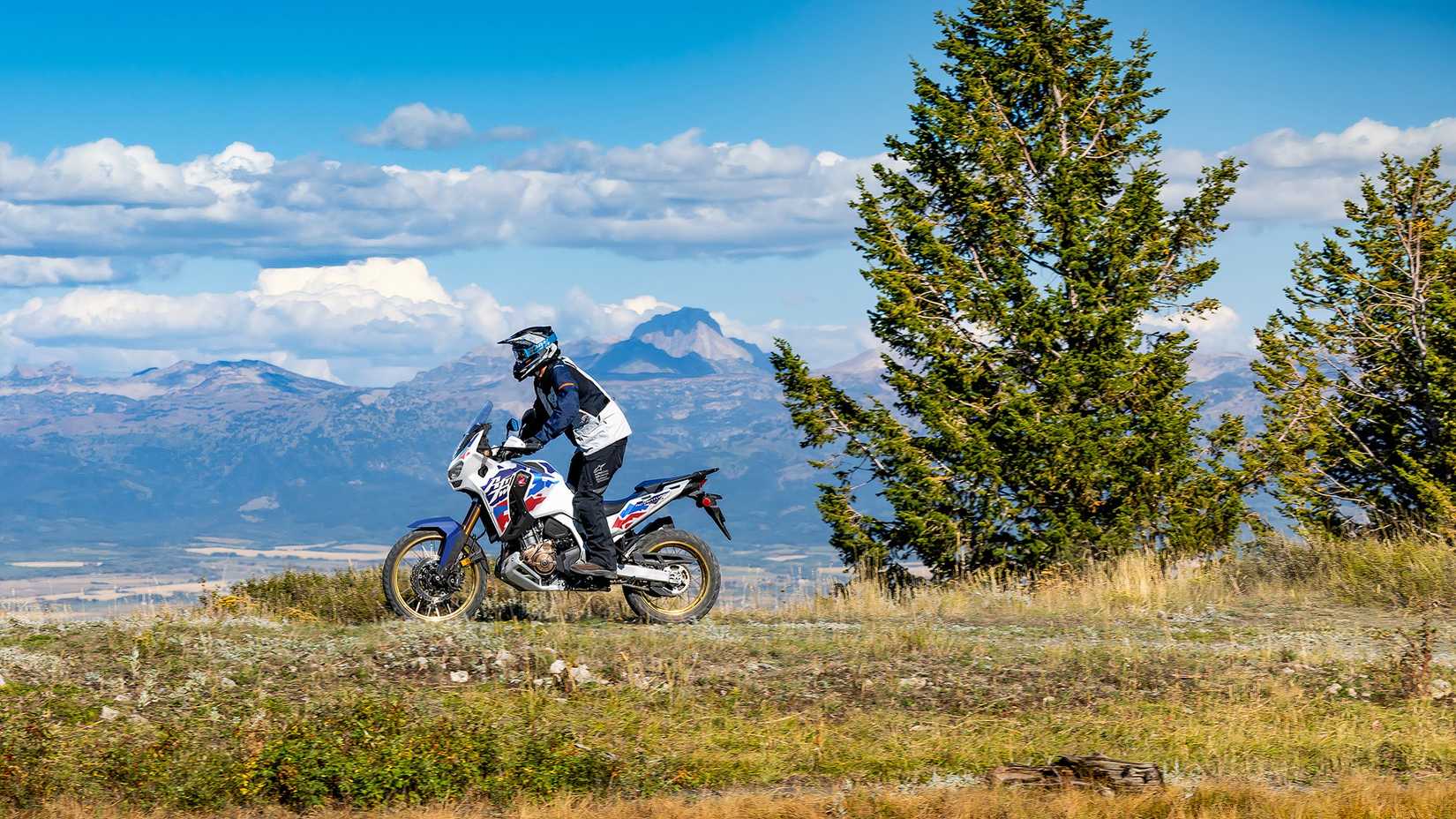
The Adventure Sports ES gains a 6.6-gallon fuel tank, extending its realistic range to approximately 300 miles between stops. Assessed in totality, this is a motorcycle that earns its all-rounder credentials without reservation — authoritative at highway speeds, tractable through urban environments, and genuinely capable when the terrain turns demanding. For riders making a single-motorcycle purchasing decision, the Africa Twin presents an argument that very few competitors can answer convincingly. Given Honda’s documented reliability record, it’s also a machine built to outlast most of what shares its garage.
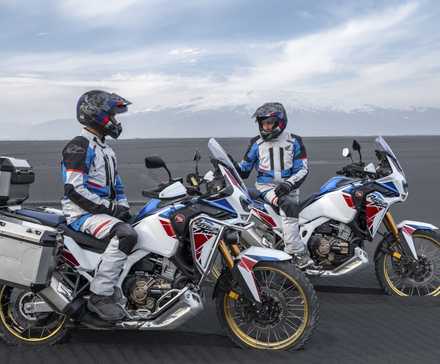
The Japanese Adventure Bike With The Highest Overall Riding Range
The Africa Twin Adventure Sports is the ideal mix of efficient engine and large fuel tank
Some Africa Twin Adventure Sports Alternatives
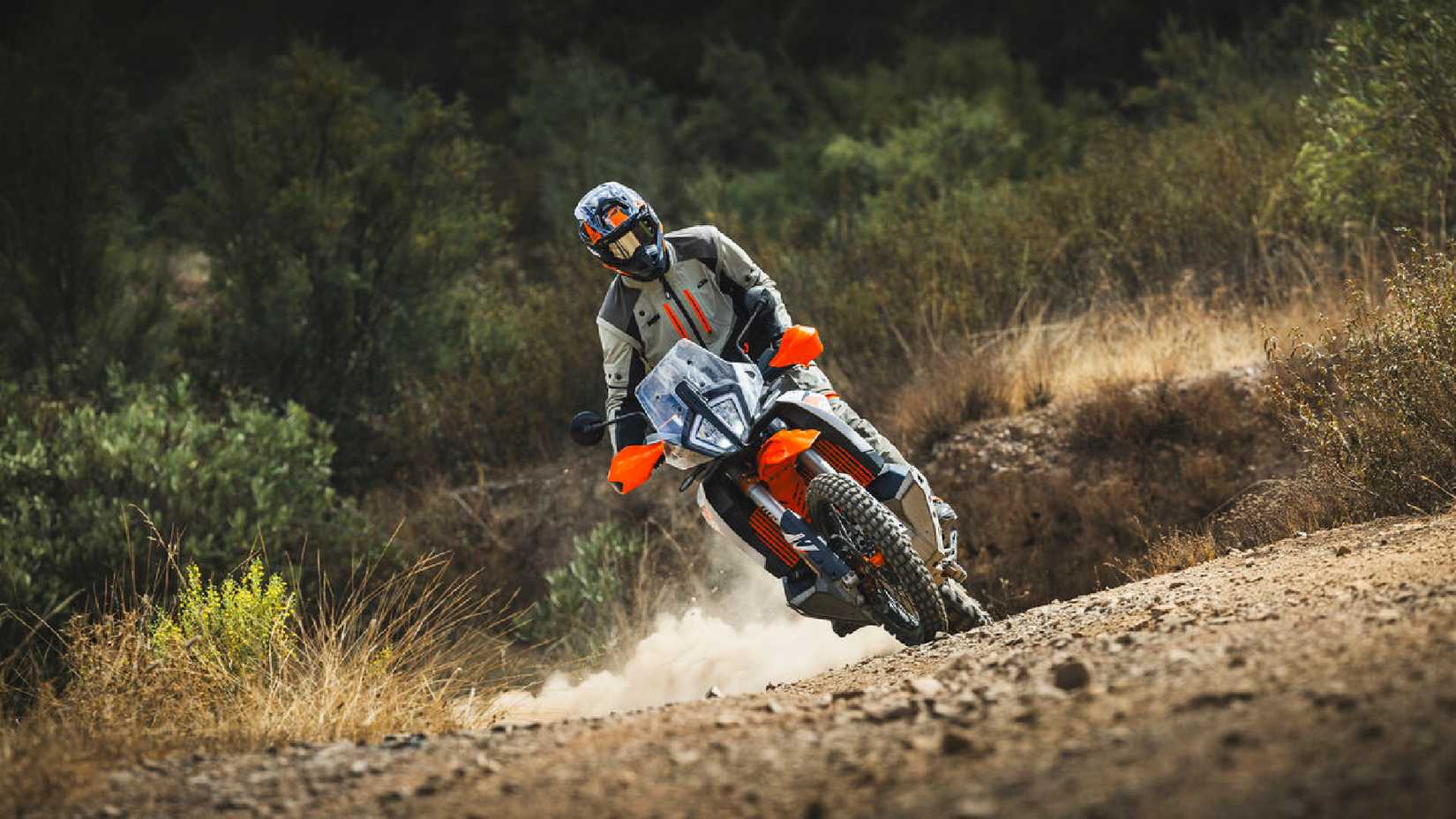
While the Honda Africa Twin Adventure Sports ES remains the preferred choice, there are several motorcycles that come remarkably close to matching its pricing. Notably, the Austrian manufacturer, renowned for its dominance in off-road performance through its “Adventure†lineup, presents a strong alternative. Alongside that, the Suzuki V-Strom 1050 stands out as a relatively recent offering—well-engineered, highly capable, and certainly deserving of serious consideration.
KTM 890 Adventure R – $16,299
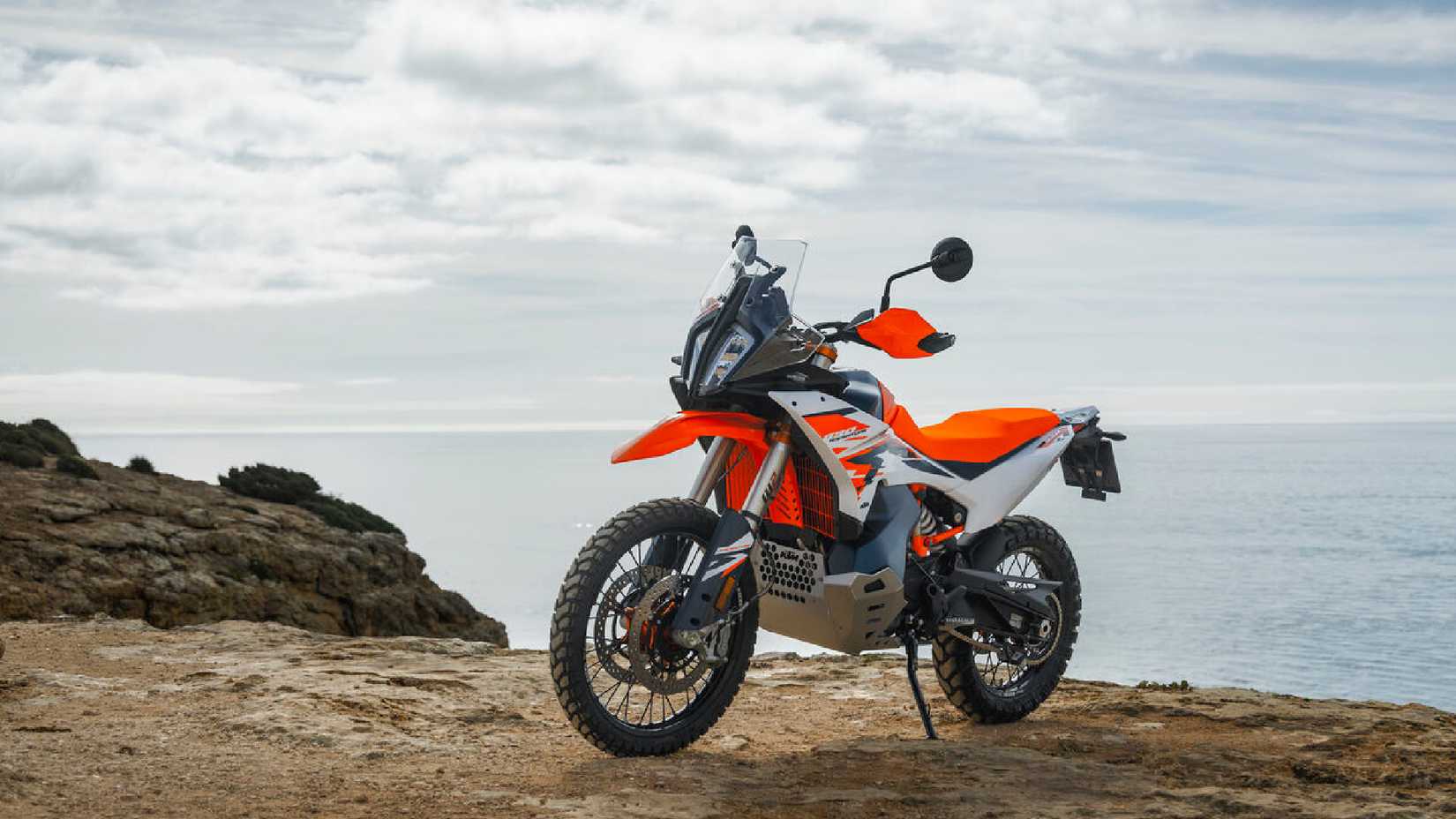
The KTM 890 Adventure R stands out as a motorcycle built with a clear focus—serious off-road performance without unnecessary compromise. Positioned at the higher end of the middleweight category, the Austrian motorcycle is priced very close to the Africa Twin Adventure Sport ES. The 890 Adventure R reflects a premium offering aimed at experienced riders. Powering the bike is an 889cc parallel-twin engine that delivers just over 103.5 horsepower, offering strong mid-range punch along with a lively top-end that remains practical across varying terrains. The low-mounted fuel tank helps centralize mass, giving the motorcycle a surprisingly agile and manageable feel. Alongside this, it features a well-rounded electronics package, including multiple ride modes, traction control, and a quickshifter, all designed to enhance control without overwhelming the riding experience.
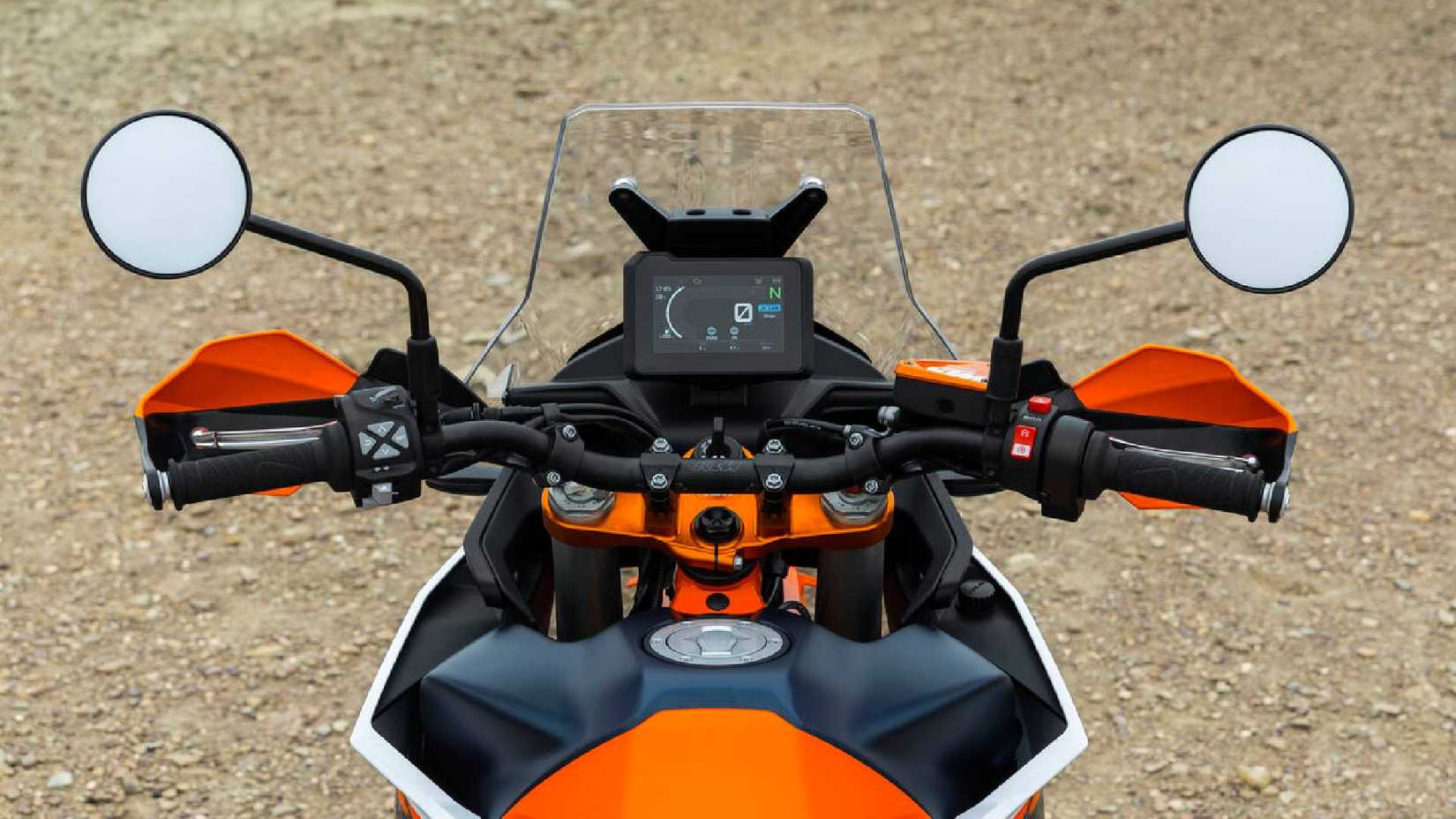
Equipped with fully adjustable WP Xplor components, the bike is clearly tuned for demanding off-road conditions. The suspension offers generous travel and precise damping, allowing it to handle rough terrain with confidence and stability. Overall, the KTM 890 Adventure R doesn't try to appeal to everyone—it focuses on doing one job exceptionally well.
Suzuki V-Strom 1050 DE – $16,449
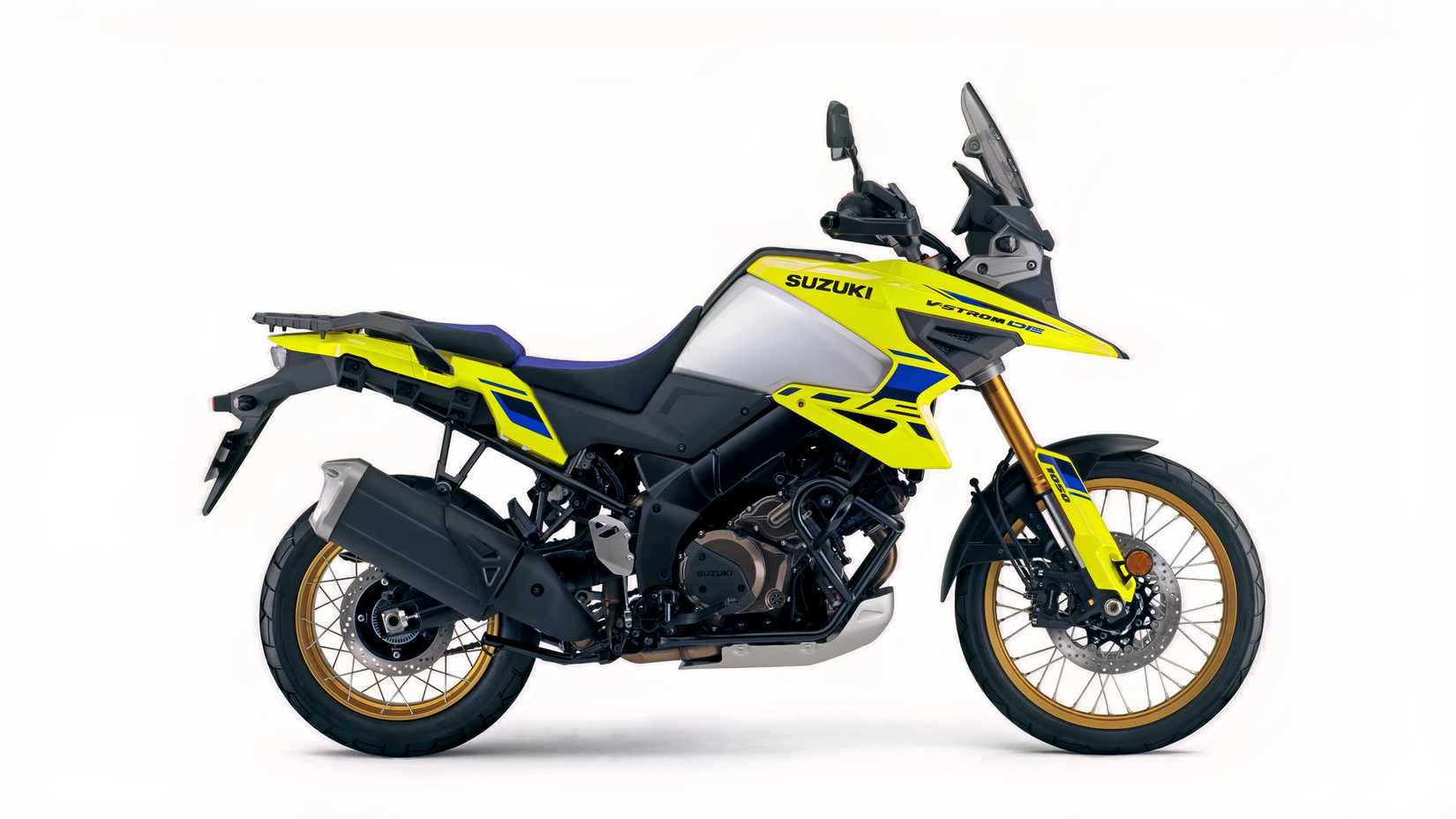
The Suzuki V-Strom 1050 DE comes across as a thoughtfully engineered adventure motorcycle that places practicality and consistency at the forefront. It is powered by a 1,037cc V-twin engine producing around 106 horsepower, offering a smooth and dependable performance with a strong emphasis on mid-range torque. This makes it particularly well-suited for long-distance touring as well as off-road use, where predictability matters more than outright aggression.
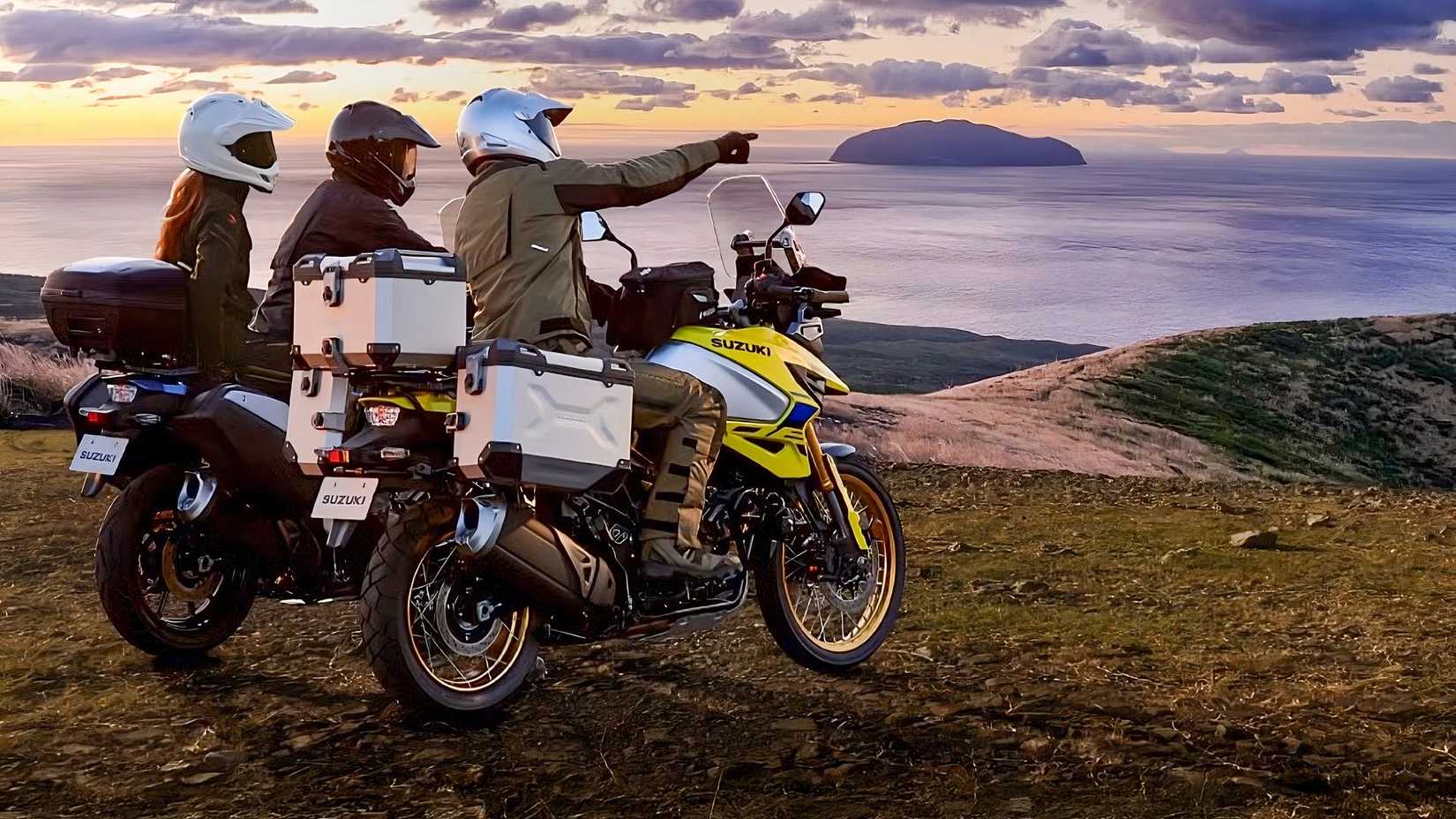
One of its strongest qualities is how complete and well-integrated the overall package feels. Suzuki has equipped the bike with its Intelligent Ride System, which includes features such as traction control, cruise control, cornering ABS, and a six-axis IMU. These additions are implemented in a way that enhances rider confidence without making the experience overly complicated. Its stable chassis, relaxed ergonomics, and generous fuel capacity make it ideal for extended journeys. The suspension setup on this V-Strom, featuring adjustable components, is tuned more toward comfort and stability, allowing it to handle highways and uneven surfaces with ease. While it may not be designed as a hardcore off-road machine, it remains highly capable across a wide range of conditions. Overall, it delivers a balanced, reliable, and refined riding experience that appeals to riders who value versatility and ease of use.
Sources: Honda, KTM, Suzuki