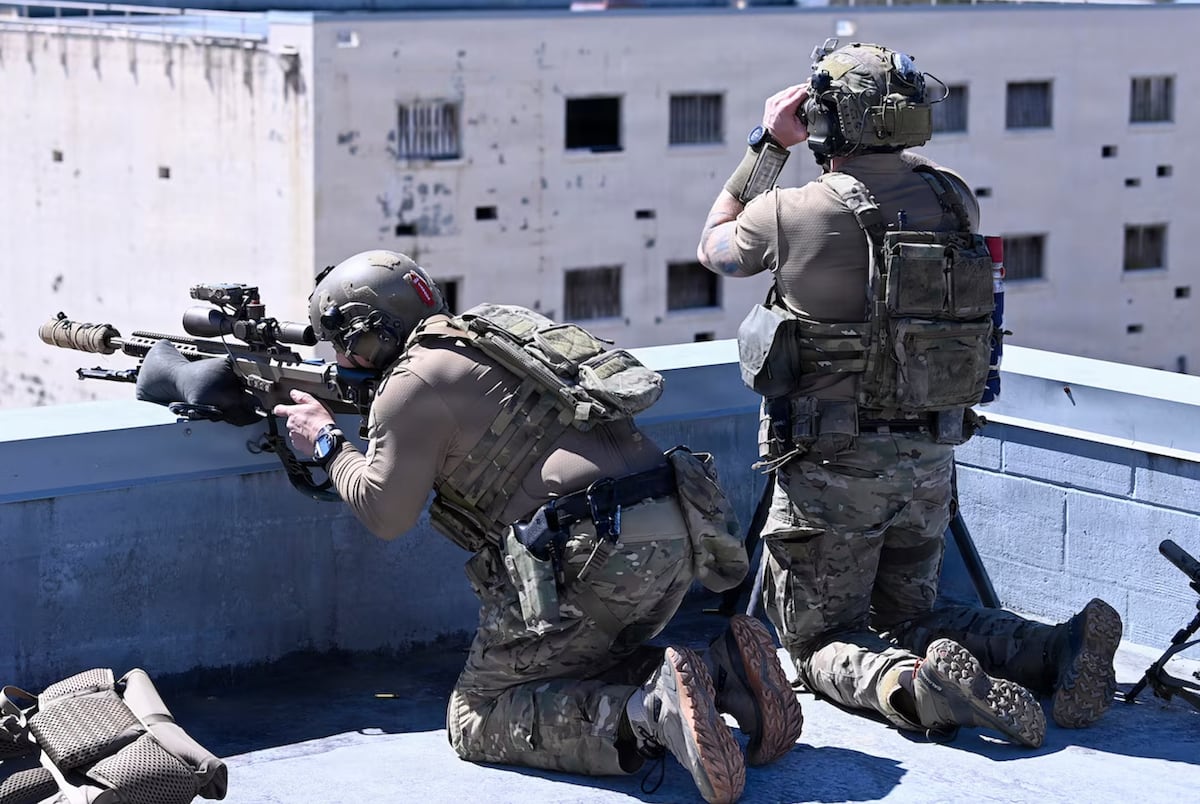
A sweeping wartime shift is underway inside the Army, with officials saying the service is accelerating AI-driven targeting and rushing weapons from “factory to frontline†as soldiers are engaged in active combat.
The remarks, delivered Wednesday by officials at the Association of the United States Army's Global Force Symposium in Huntsville, Alabama, come as leaders emphasize a faster, more direct link between battlefield operations, weapons production and how the service buys and fields equipment.
“This month, our army is engaged in active combat,†Under Secretary of the Army Michael Obadal said.
Officials said the shift is designed to cut through peacetime bureaucracy, prioritizing speed, scale and real-time battlefield feedback to move weapons and technology into combat faster.
AI Targeting Speeds Battlefield Strikes
Artificial intelligence is rapidly moving from testing into real-world use, with Army leaders pointing to new targeting systems that compress what was once a slow, multi-step process into near real-time battlefield decisions.
During Operation Ivy Sting at Fort Carson, Colorado, officials said the 4th Infantry Division used AI-enabled tools to automate parts of the targeting cycle, integrating intelligence, surveillance and reconnaissance data with fire missions and command systems that traditionally required multiple human layers.
“It enabled the division to prosecute 15 different targets in one hour,†Obadal said.

That speed marks a shift from legacy processes, where coordinating sensors, airspace, firepower and command approvals could take far longer and limit how quickly units could strike multiple targets.
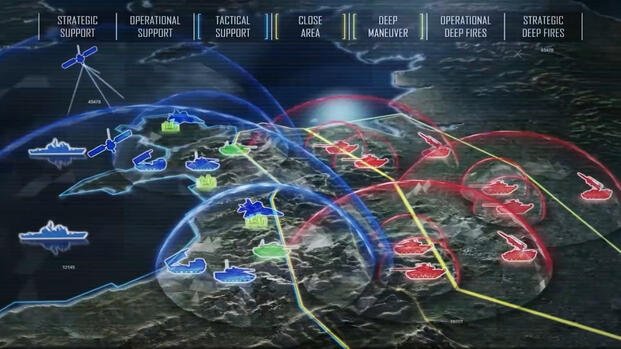
Officials said the technology is part of a broader push to build a faster, more connected “kill chain,†linking sensors, data and weapons systems so commanders can identify, prioritize and engage threats across domains with minimal delay.
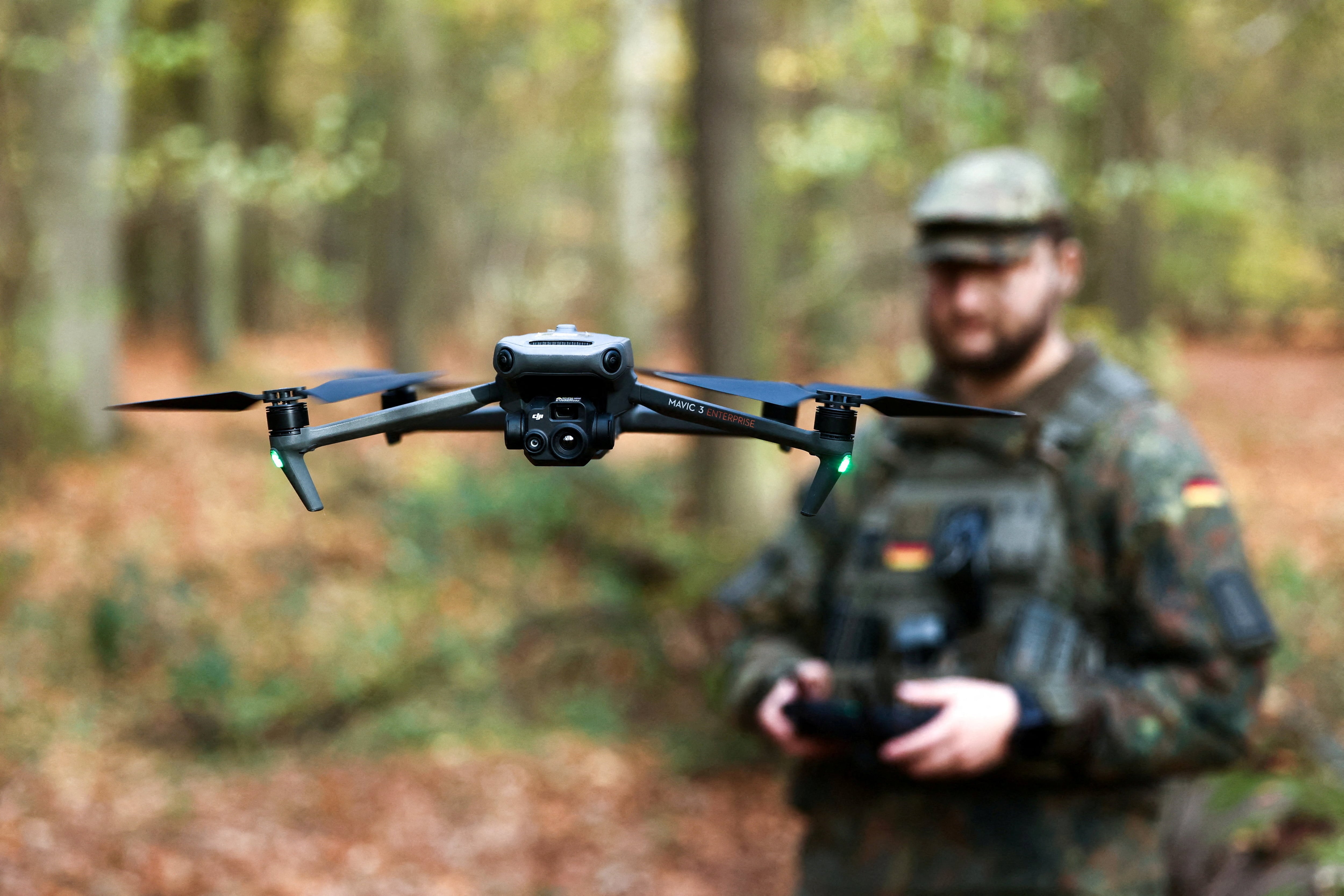
The urgency behind that shift reflects how quickly battlefield technology is evolving, particularly in drone warfare—where units are rapidly adapting systems and tactics in live environments.
Army Speeds Weapons Buying to Match Combat
A major overhaul is underway in how the Army buys weapons.
Leaders are shifting acquisition onto a wartime footing and pushing to move capabilities into the field faster as operations accelerate.
“Acquisition is now a war-fighting function,†Jesse Tolleson, principal deputy to the assistant secretary of the Army for acquisition, logistics and technology, said Wednesday in Huntsville.
The change is supposed to mark a break from a system long driven by compliance. Layered approvals and rigid requirements have often slowed development and delayed delivery of equipment to troops.
Officials said the Army is now moving toward a commercial-first model, cutting red tape and giving program managers more authority to make faster decisions based on battlefield needs rather than process.
A key shift is replacing often convoluted requirements with a shorter “concept of needs†framework, allowing companies to propose solutions quicker and adapt as conditions change.
Leaders said the goal is to shrink timelines that once stretched years, enabling faster integration of emerging technologies such as autonomous systems, electronic warfare tools and next-generation command-and-control platforms.
That push overlaps with broader efforts to improve readiness by addressing sustainment and repair challenges that have historically slowed innovation and fielding.
Army Ramps Up Ammo, Drone Production for Combat
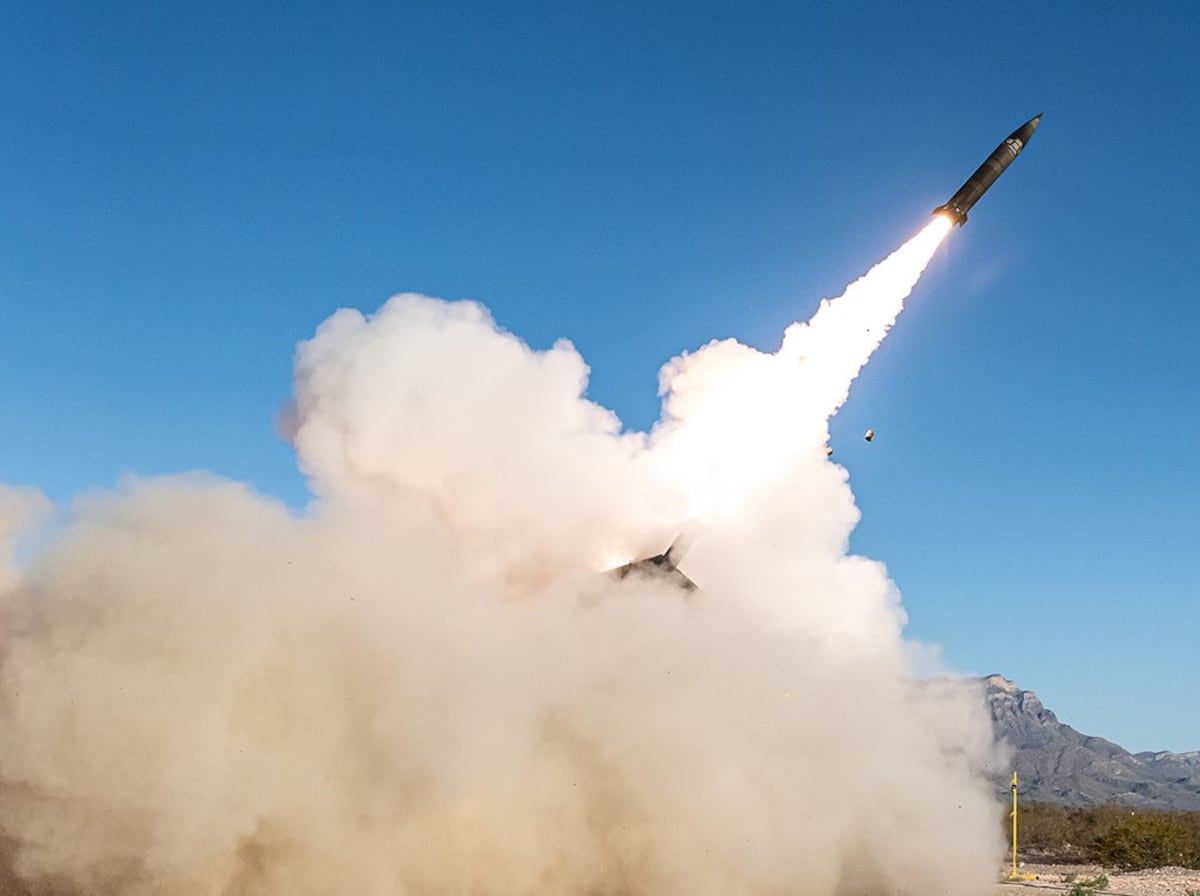
The Army is expanding weapons production across its industrial base, ramping up output of 155mm artillery shells and increasing efforts to build drone components inside the United States as demand rises.
“An unbreakable connection must exist from the factory to the frontline,†Obadal said.
Officials pointed to increased production at facilities like the Scranton Army Ammunition Plant in Pennsylvania, where advanced manufacturing is being used to boost artillery shell output and rebuild stockpiles needed for sustained operations.
At the same time, the Army is working to expand domestic production of drone components, including circuit cards, motors and low-cost airframes that have historically relied on overseas supply chains.
Leaders said the effort is aimed at ensuring the U.S. can sustain large-scale combat operations while reducing vulnerabilities tied to foreign manufacturing and supply disruptions.
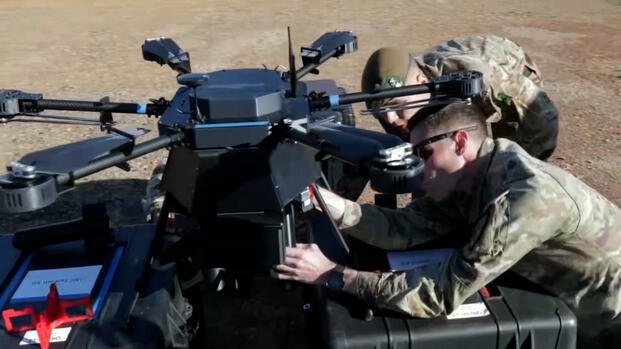
The service is also expanding how it tests and integrates drone capabilities with soldiers, reflecting a broader push to scale emerging systems more quickly.
Officials described a shift toward continuous transformation driven by real-world operations, with battlefield lessons feeding directly into development and acquisition decisions.
“This is a step in the right direction to leverage industry-driven solutions,†Obadal said.