For decades, the Army's CH-47 Chinook helicopter has not only transported thousands of soldiers but has also served as a symbol of strength for the U.S. military.Â
Even President Donald Trump praised the “massive Chinook†in February's State of the Union address, referring to the daring mission to capture Venezuelan dictator Nicolás Maduro from his heavily fortified compound.Â
But while most Americans recognize the Chinook as a versatile military workhorse, few know it is named after one of North America's most prestigious indigenous tribes – the Chinook Indian Nation.Â
Sam Robinson is fighting to change that.Â
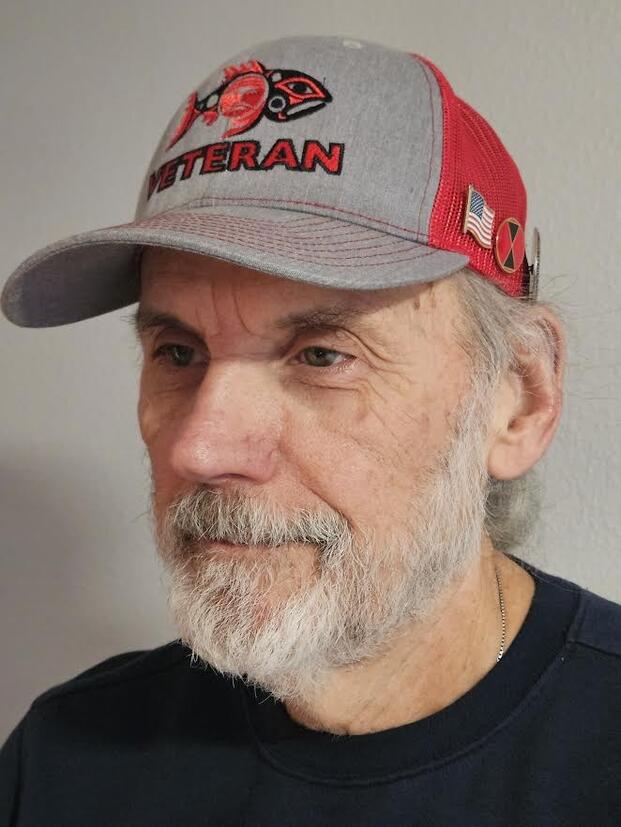
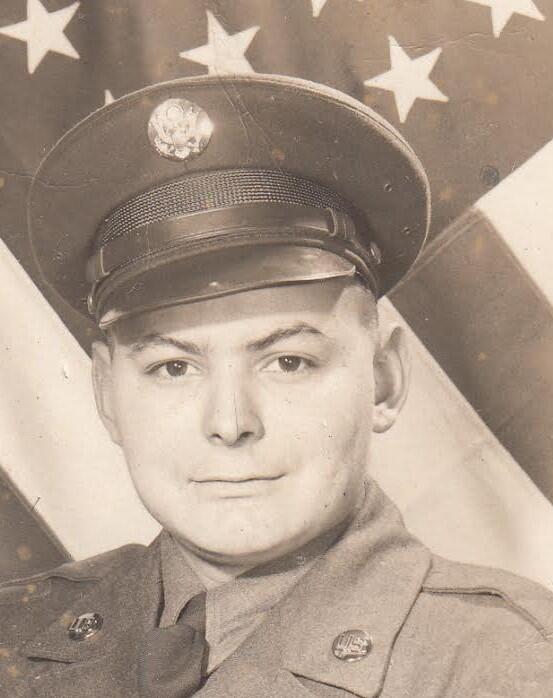
Robinson is an Army veteran and a proud Chinook Councilmember. For years, he's worked to gain federal recognition and honor the Chinook's namesake. Robinson wonders why the country he served granted honorary name recognition to the Chinook in 2001, only to rescind it 18 months later. Â
Answering the Call to ServeÂ
Many Native Americans join the military for financial reasons, a pathway to college, or based on family tradition. Robinson was no exception. Having a brother, father and uncles who all served, Robinson felt a gravitational pull to join the military.Â
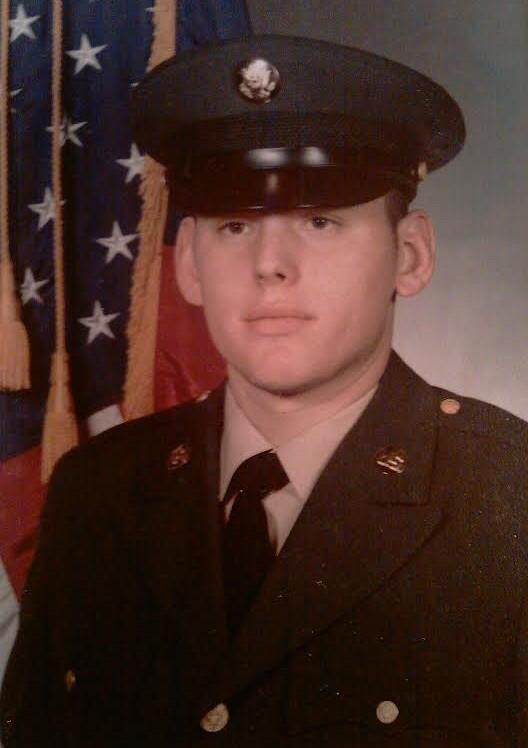
“Once I turned 18, I knew that college wasn't my path, so enlisting felt like a practical option that I would take pride in,†Robinson told Military.com. “About six months before high school graduation, I went to an Army recruiter and signed up for delayed entry so that I could leave for service right after high school.â€Â
Robinson served in the Army for four years. He spent the first year in infantry, then was selected for a new anti-tank platoon, managing two missile systems. From there, he was sent to brigade headquarters, becoming a sergeant in only three years.Â
“Which I was proud of because it showed how much I had learned in such a short period of time,†he said.Â
One of Robinson's favorite memories from the Army was flying in a Chinook – that's right, a Chinook in a Chinook. It was a unique experience that left Robinson swelling with pride.Â
“I was out in the field working when a captain asked me for a ride. On the way back, he recognized the pilot of a Chinook sitting out there and struck up a conversation. After they talked, the pilot allowed me to back my Jeep into the helicopter and take a ride in it,†Robinson said. “One thing I remember vividly is how noisy it was inside. I had always been a fan of the helicopter, and I felt especially proud to be a Chinook man who had gotten to ride in a Chinook helicopter.â€Â
Robinson's four years in the military taught him how to adapt to changes and learn on the fly. But he had strong mentors to guide him, seasoned soldiers from the Vietnam War, full of wisdom. He also learned strong leadership skills, which led to a 43-year career in wood products manufacturing, where he served as a plant manager. Â
“I saw a lot of different leadership styles in the military, and it taught me that if you want people to respect you, you should not ask them to do anything you would not do yourself,†Robinson said. “You get more respect and better work out of people that way. That really stayed with me and carried me into my working life.»Â
A Proud Nation in the Pacific NorthwestÂ
American history buffs are likely pretty familiar with the Chinook Indian Nation and its ties to the famed Lewis and Clark Expedition in the early 1800s.Â
The Chinooks were the first tribe to settle the Lower Columbia River and the Pacific Coast region, now known as Washington and Oregon. The nation is comprised of five tribes: the Clatsop, Cathlamet, Lower Chinook, Wahkiakum, and Willapa. Centuries later, most of the nation's 3,400 enrolled members still call the Pacific Northwest their home.Â
“The Chinook are alive and well,†Robinson said. “We are a living nation, not a people of the past, which is exactly why the federal government's refusal to formally recognize us is so harmful.â€Â
Despite the nation's history in helping the American government during the time of Lewis and Clark, Chinook members serving in the military, and lending its name to what Robinson calls “one of the Army's most recognizable helicopters,†federal recognition has been painfully fleeting.Â
“Federal recognition) is the formal acknowledgment of a tribe's sovereignty and government-to-government relationship with the United States,†Robinson said. “Being a federally recognized tribe would grant us resources that other tribes receive, like healthcare access and education programs.†Â
For many years, the Army adopted names of Native American tribes or chiefs and used them for its aircraft. So, when the powerful, robust CH-47 Chinook entered the fleet in 1962, naming it after the tribe made sense. The practice became official in 1969 through Army Regulation 70-28, establishing names that promoted strength, agility and endurance.Â
“The name is fitting,†Robinson said. “Our people have endured generations of broken promises and mistreatment from politicians in D.C., yet we've always fought to remain on, and protect, our ancestral homelands.â€
Still Hope for Recognition?Â
Receiving federal recognition allows a tribe to be formally acknowledged by the U.S., establishing governmental relationships. Without it, tribes are denied full political status, resources, and certain protections that the federal government gives to recognized tribes.Â
There was a glimmer of hope for the Chinook in 2001 when the nation received recognition, but that dream quickly died 18 months later when the act was rescinded.Â
In other ways, however, the U.S. can't seem to get enough of the Chinook. Not only is the iconic Army helicopter named after the tribe, but the government has also signed treaties with tribal ancestors, and the state of Washington is unofficially nicknamed the “Chinook State.â€Â
For Robinson, and so many Chinook, the situation is confusing and frustrating.Â
“The question we keep coming back to is: if you acknowledge us enough to put our name on your helicopter, why not formally recognize our nation?†he said. “Without that, none of the acknowledgment we've received translates into real, tangible support for our people.â€Â
Hope is not lost, however. Robinson said the Chinook Justice Movement is working to restore federal recognition through legislation, support from local and regional leaders, neighboring tribes in Washington and Oregon, descendants of Lewis and Clark, and, according to Robinson, “tens of thousands of Americans who have signed petitions and written letters.â€Â
Ultimately, federal recognition must come from Congress through legislation signed into law. The same members of Congress who just a few weeks ago heard Trump glowingly praise the “massive Chinook.â€Â